Facebook
 X
X
 Pinterest
 Copy Link
I’m going to say something that might surprise you:
This is not a bad market for sellers.
Homes are still going pending every day across King and Snohomish County. In many price ranges, months of inventory is still hovering around 1.5 to 2.5 months. For context, anything under 4 – 5 months is typically considered seller-leaning.
Median prices are also still up modestly year over year in many areas, often in that 3%-6% range depending on the neighborhood.
So if you’re hearing that the market has “collapsed,” that’s simply not what NWMLS data shows.
But here’s what is true. The sellers who are making their moves happen all have one thing in common: they’ve adjusted their strategy to match today’s market. They’re realizing inventory has grown. Homebuyers are more selective. And buyer expectations are higher.
This is no longer the 2021 market. And sellers who approach it like it is are the ones getting frustrated. Let’s walk through where I see things go sideways.
“But my neighbor got more.”
They probably did if they sold in the peak frenzy years. That was a historically unusual moment in real estate. We saw single-digit days on market. Escalation clauses everywhere. Buyers waiving inspections and appraisals just to win.
That isn’t today’s environment.
Right now, we’re seeing days on market normalize. Instead of 5 days, many homes are taking 15-30 days depending on price point and condition. That’s not a slow market, that’s a stable one.
We’re also seeing more price reductions than we did during the frenzy. Not because values are collapsing, but because buyers have more choices. When inventory increases, even slightly, buyers compare more carefully.
If there are two similar homes in a neighborhood and one feels stretched on price, buyers simply wait. And when a home sits, the leverage shifts.
Pricing today isn’t about undercutting. It’s about positioning. It’s about understanding the last 30 to 60 days of sold data, not the headline number from two years ago.
That nuance matters.
“Inventory is still low. Why should I do anything to the house?”
Fair question.
Yes, inventory is still relatively tight compared to long-term historical averages. But buyers today are financially cautious. Affordability is real. And when people are stretching to purchase, they are less excited about projects.
I’m seeing this especially with attached homes and townhomes across parts of King and Snohomish County. Buyers are scrutinizing HOA dues, condition, and layout. Homes that feel dated or neglected are sitting noticeably longer than refreshed ones.
This doesn’t mean you need a full remodel.
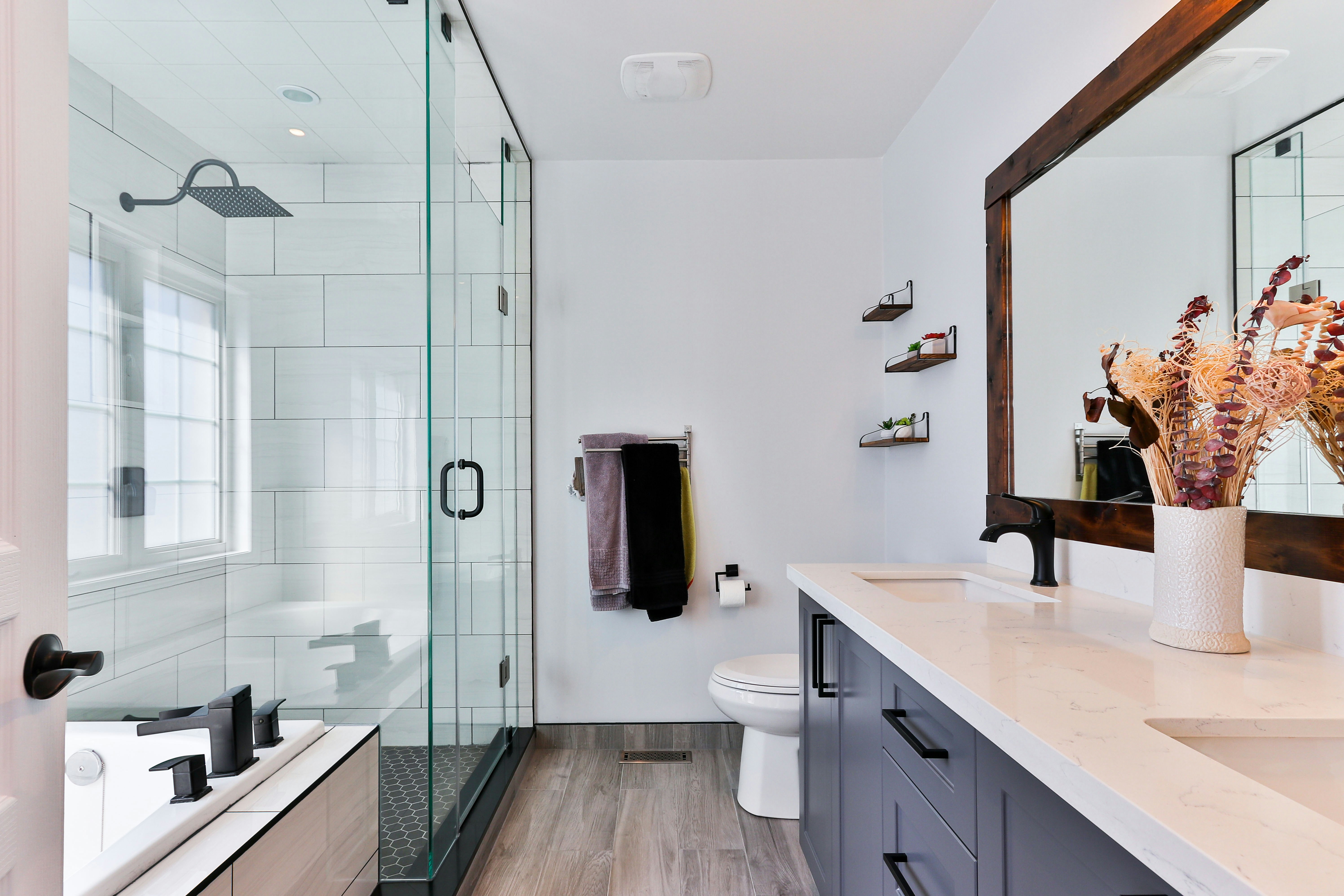
It does mean that presentation matters again. Clean, fresh, neutral, well-maintained homes are getting attention. Homes that feel like a to-do list are getting hesitation.
And hesitation is expensive. Better to put some elbow grease into it before listing than dropping the price as it sits on the market.
“If it’s still technically a seller’s market, why would I negotiate?”
Because negotiation is normal again.
Inspection contingencies are back. Appraisals matter. Buyers are protecting themselves more than they were during the peak years.
I’m seeing more transactions fall apart over inspection issues than I did in 2021. Not because buyers are unreasonable, but because they have options now.
When a seller refuses to flex at all, the buyer walks. The home goes back on market. Momentum disappears. The next buyer enters more cautious.
Strategic flexibility protects your net. It doesn’t weaken it.
The strongest sellers right now are not the ones digging in at every turn. They’re the ones who understand where to hold firm and where to move things forward.
So what’s actually true right now?
Prices are not crashing.
Inventory is higher than the frenzy years, but still relatively constrained.
Buyers are active, especially at certain price points, but they are discerning.
Days on market has normalized and homes that miss the mark on price or presentation are feeling it quickly.
This is what I call a balanced market. Balanced markets reward strategy. They don’t reward nostalgia.
If you’re thinking about selling, the question isn’t whether homes are moving. They are. The question is whether your home will be positioned to move efficiently and with strength.
That comes down to real data from the last 30 to 60 days in your neighborhood. It comes down to understanding how your home compares to what’s currently active. And it comes down to anticipating buyer behavior instead of reacting to it.
The sellers who are winning right now aren’t doing anything dramatic.
They’re just aligned with how buyers are actually behaving in Western Washington today.
If you want to look at what that means specifically for your home and your timing, I’d be happy to walk through the numbers with you.
Because in this market, strategy is everything.