

 Facebook
 X
X
 Pinterest
 Copy Link
Vacation Home vs. Short-Term Rental: Is Owning Really Worth It?
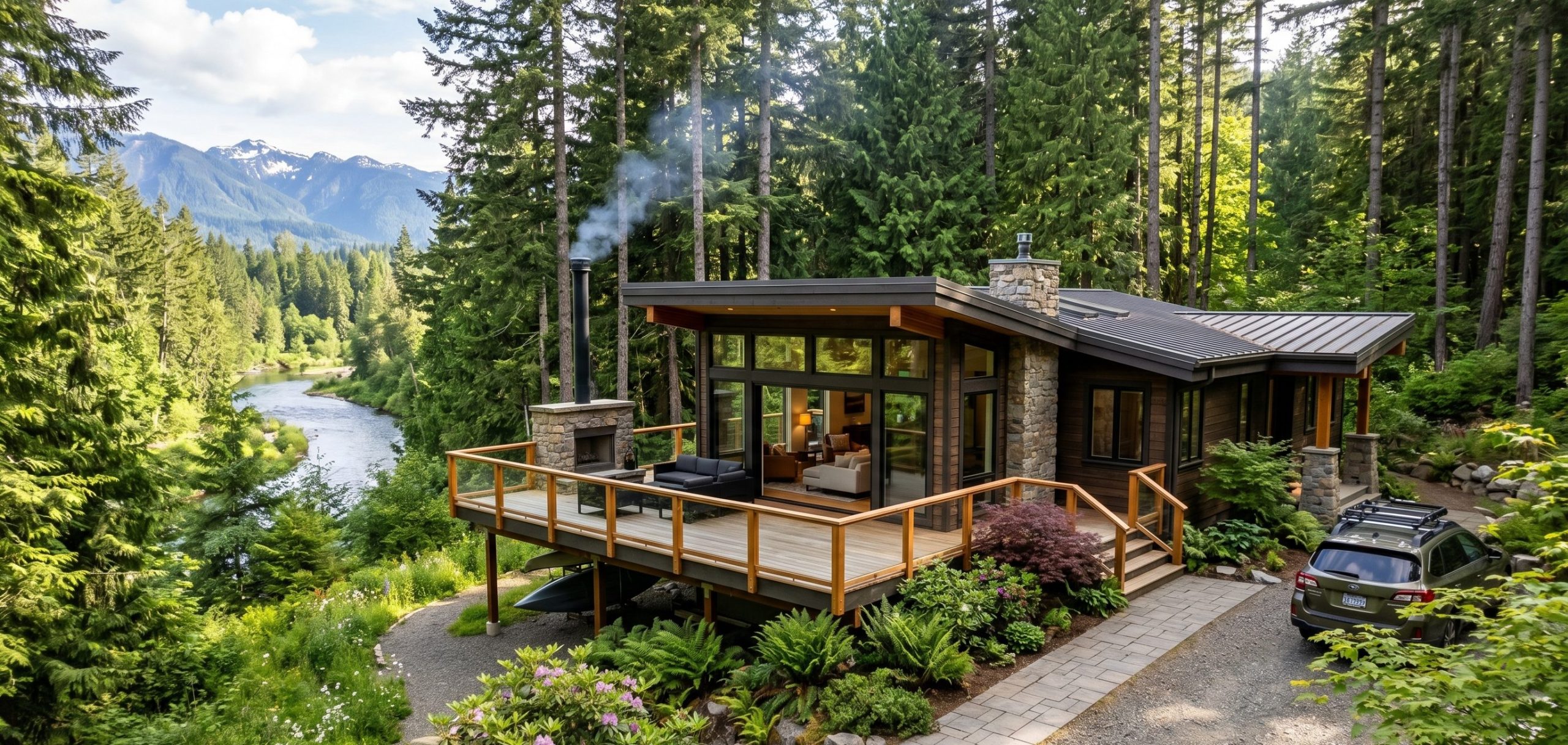
It’s the classic Pacific Northwest dream. You’re sitting in a beautiful cabin in the woods or a beach house on the coast, drinking your morning coffee, and you think: “Why don’t we just buy a place like this?”
It feels like the perfect plan. You use it when you want and rent it out on Airbnb the rest of the time to let someone else pay your mortgage.
But as an agent, I have to give you the unvarnished truth. Owning a vacation home that you rent out vs. simply being a frequent renter are two completely different lifestyles. Before you jump into the deep end, here is the honest look at the pros and cons of both.
Scenario A: Buying Your Own Vacation Home (And Renting It Out)
This is the path of ownership. You aren’t just buying real estate; you’re buying a second job (or hiring a property manager to do it for you).
The Pros:
- The “Roots” Factor: You can leave your clothes in the closet, your favorite coffee in the pantry, and your kayak in the garage. You don’t have to pack a suitcase every weekend; you just show up.
- Wealth Building: Over the long term, you are building equity. In highly desirable PNW vacation markets, land is scarce, and appreciation can be significant. Markets like Lake Chelan, Cle Elum, and the Oregon Coast have shown massive appreciation over the last decade. A vacation property isn’t just a place to stay, it’s a physical hedge against inflation.
- Tax Advantages: Depending on how many days you personally use the home vs. rent it out, you can write off mortgage interest, property taxes, and depreciation.
The Cons:
- The “Guilt” Trip: When you own a vacation home, you feel obligated to go there. Every single vacation becomes a trip to the same destination. Want to go to Hawaii this year? Your brain will say, “But we’re already paying for the cabin in Cle Elum.”
- The Second-Home Tax: Regulations are changing fast. Many PNW counties (especially San Juan and parts of King County) have strict caps on short-term rental permits, high lodging taxes, and intense HOA rules.
- The Real Estate Reality: Purchasing a second home isn’t like buying a primary residence. Lenders typically require 20% to 30% down, and interest rates sit higher for investment properties. On a $750,000 mountain or coast property, you are locking up over $150,000 in cash immediately.
Scenario B: Just Using Short-Term Rentals (The Power Renter)
This is the path of ultimate flexibility. You take the money you would have spent on a down payment and maintenance, and you deploy it elsewhere.
The Pros:
- Zero Commitment: If a pipe bursts at 2 AM, it is not your problem. If the local HOA bans Airbnbs, it doesn’t affect your net worth. You pay your cleaning fee, enjoy your weekend, and walk away.
- Global Flexibility: This year you can stay in a modern condo in downtown Bend. Next year, a beachfront cottage in Seabrook. You aren’t tied to one micro-market or one type of weather.
- The Opportunity Cost of Cash: A down payment on a second home requires a 20% to 30% down payment at a higher interest rate than a primary residence. Keeping that cash in the stock market or using it to buy a local, predictable long-term investment property often yields a better financial return with way less drama.
The Cons:
- The Calendar Gamble: You are at the mercy of the market. If you want to go to the coast for the 4th of July, you have to book it 8 months in advance and pay peak-season surge pricing.
- Booking Costs: During the peak summer and winter months, you are looking at averages between $550 and $706 a night. By the time you add platform fees, taxes, and a hefty cleaning fee, a 3-night weekend for a family of four in the Cle Elum area will easily run you $2,200 to $2,800.
- No Equity: Every dollar you spend on a rental is gone forever. You are funding someone else’s retirement, not your own.
- The “Unpacking” Fatigue/picture reality: You are always a guest. You are always living out of a suitcase and wondering if you brought everything. You are also questioning what you are walking in to. Are the pictures what the property is really like? Will the kitchen have what you need? Are the beds going to be comfortable? Will you get a bad rating if your kids spill something?
The Bonus Question I Ask My Clients:
If you are torn between the two, ask yourself this:
“Am I looking for a financial investment, or am I looking to buy a specific lifestyle for my family?”
If it’s strictly an investment, the math on short-term rentals has gotten a lot tougher recently due to high interest rates and saturated markets. Buying a local long-term rental or putting that money in an index fund is often cleaner.
But if you are looking to create a “generational anchor” a place where your kids and grandkids will grow up spending their summers, and you don’t need the rental income to survive, owning a vacation home is an unmatched feeling.
The Bottom Line
There’s no universally “correct” answer here.
A vacation home can become one of the most meaningful purchases a family ever makes. Or it can become an expensive source of stress.
Short-term rentals can offer incredible freedom and flexibility. Or they can leave you wishing you had a place that truly felt like yours.
The best choice is the one that fits:
- Your finances
- Your lifestyle
- Your goals
- And honestly… your personality
Because sometimes the smartest decision isn’t the one that looks best on paper. It’s the one that creates the life you actually want to live.
If you’ve been considering a vacation property and want help thinking through the numbers, locations, or realistic expectations, I’m always happy to talk it through with you.

