

 Facebook
 X
 Pinterest
 Copy Link
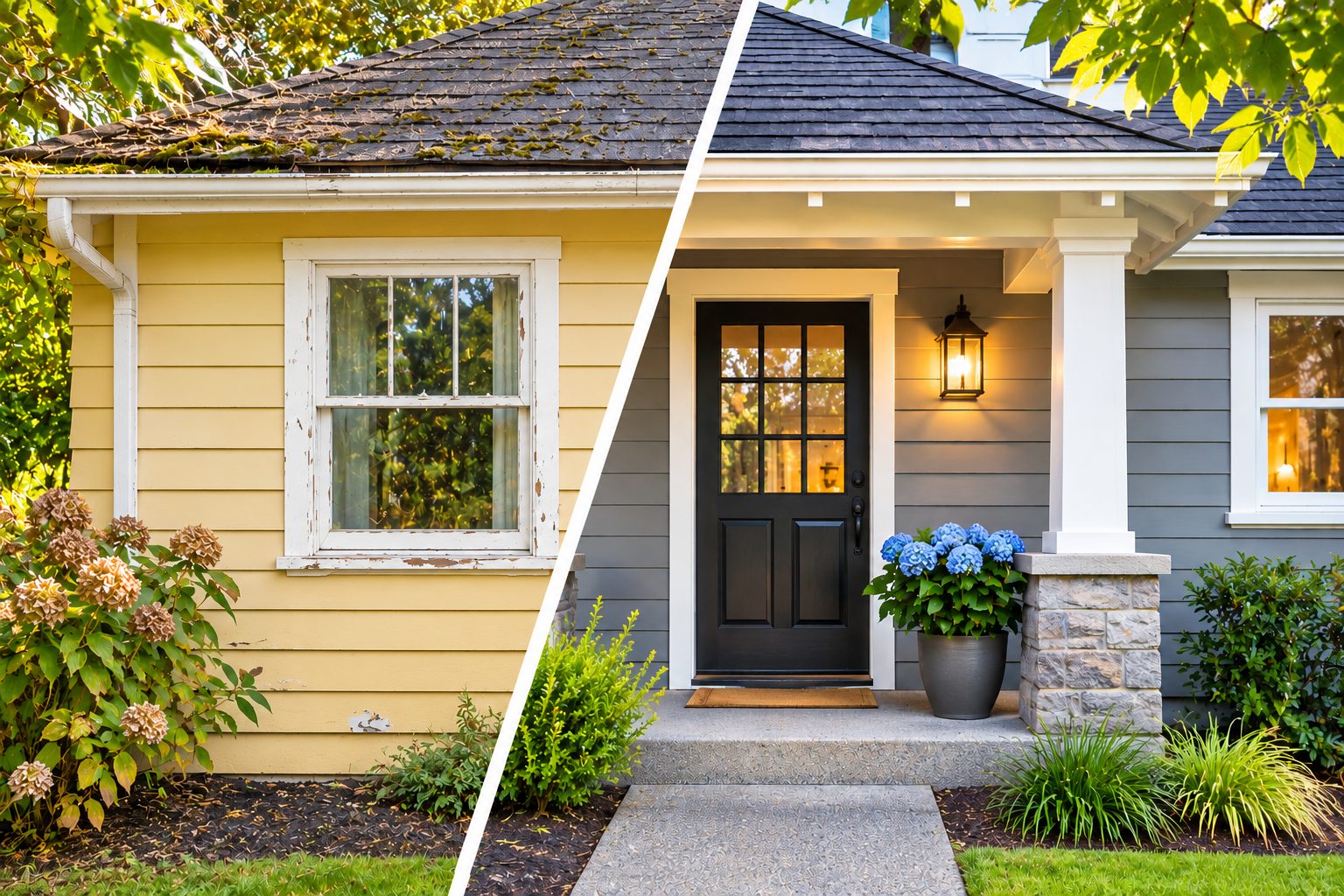
When preparing to sell your home, one question almost always stalls the process: “Do we fix this place up, or just slap an ‘as-is’ label on it and let the next person deal with it?”
It’s a conversation I’m having more frequently with sellers. Buyers today have more choices, and many are looking for homes that don’t require a long list of projects after moving in.
It is tempting to skip the stress of finding contractors, painting baseboards, and spending thousands out of pocket. However, these days, taking the “as-is” route comes with a real price tag.
Here is what the latest data says about buyer demand, the true cost of an “as-is” discount, and which repairs actually pay you back.
The “Move-In Ready” Premium: What the Numbers Say
Buyers today aren’t just hoping for move-in ready homes, they are actively prioritizing them over almost everything else.
- Turnkey is the #1 priority: A national survey by Bright MLS revealed that finding a home in move-in ready condition ranked as the top priority among active homebuyers, outranking dedicated home offices, large yards, and luxury upgrades.
- Buyers lack renovation cash: According to the National Association of REALTORS®, the median down payment for first-time buyers was 10% in 2025. Between down payments, closing costs, and moving expenses, many buyers have limited cash left over to take on expensive renovations immediately after purchasing a home.
- Gen Z and Millennials want low-maintenance: A Bright MLS survey found that 56.1% of prospective buyers considered move-in-ready condition very important, while another 37.8% considered it somewhat important. That’s nearly 94% of buyers who place importance on purchasing a home that doesn’t need immediate repairs.
The Reality of Selling “As-Is”: The Buyer Math
One thing I think sellers sometimes underestimate is how buyers calculate the cost of repairs.
Let’s say your house needs $10,000 in painting and flooring. You might think a buyer will simply deduct $10,000 from what they’re willing to offer. But buyers don’t always look at it that way. They’re thinking about the time involved, finding contractors, the possibility of unexpected expenses, and the inconvenience of having work done after they move in.
That $10,000 project might feel like a $15,000-18,000 problem to a buyer.
And sometimes it’s not even about the money. When buyers walk into a home and see peeling paint, stained carpet, or several unfinished projects, they may start wondering what else hasn’t been maintained.
This is where I think there’s an important distinction between a house that’s outdated and one that has deferred maintenance. Some buyers might be willing to look past the oak cabinets and laminate countertops if it’s clean, functional, and well maintained.
Which Repairs Are Worth Doing? (And Which to Skip)
Here’s where I would encourage sellers to be strategic.
According to the National Association of REALTORS® 2025 Profile of Home Buyers and Sellers, 53% of sellers made minor renovations or fixed broken items before selling, while 35% sold their homes as-is. Most sellers aren’t completing major renovations before listing, and there’s a good reason for that. Not every improvement will give you your money back.
The 2025 Remodeling Impact Report from the National Association of REALTORS® found that painting was among the improvements agents most frequently recommended before selling. The report also estimated cost recovery of approximately 60% for a kitchen renovation and 50% for a bathroom renovation.
You don’t need a full gut-renovation to capture the move-in ready premium. Focus only on high-return curb appeal, functional mechanicals, and cosmetic neutrality:
High-ROI Refreshers (Do These)
- Paint & Deep Cleaning: Fresh neutral paint yields an estimated 107% ROI, brightening rooms and removing odors that immediately scare buyers away.
- Exterior & Curb Appeal: According to the Remodeling Cost vs. Value Report, exterior touch-ups deliver the highest returns. Garage door replacements routinely recoup over 200% ROI, followed by front entry door updates. Landscaping, pressure washing, cleaning gutters, and touching up exterior paint can make a home feel well cared for before a buyer even walks inside.
- Addressing obvious repairs: Leaky faucets, broken fixtures, damaged trim, and other visible maintenance issues might seem minor individually, but together they can make buyers question how well the home has been maintained.
- Minor Cosmetic Kitchen/Bath Facelifts: Swapping outdated cabinet pulls, updating faucets, and regrouting tile (rather than ripping out cabinets) regularly recoup over 90–110% of project costs.
When Does Selling “As-Is” Actually Make Sense?
There are absolutely situations where selling as-is is the right decision. It’s simply a trade-off of equity for speed and convenience. It makes sense if:
- You inherited an estate property and lack the time or proximity to manage contractors.
- You don’t have the upfront cash reserves to fund repairs prior to closing.
- You are facing an urgent relocation deadline and cannot carry holding costs for 2–3 months while work is completed.
The key is pricing the home appropriately for its condition and the competition.
It’s also important to understand that selling as-is doesn’t eliminate a seller’s disclosure obligations or necessarily prevent a buyer from conducting an inspection or requesting repairs or concessions.
There are also programs available that may allow sellers to complete improvements and pay for them at closing, rather than coming up with the money upfront. These programs aren’t right for everyone, but they can be worth exploring if you have equity in your home and limited cash available for repairs.
So, Should You Make Repairs or Sell As-Is?
The answer depends on your home, your timeline, and your financial situation. But based on what I’m seeing in today’s market, I would strongly encourage sellers to consider making some improvements before listing.
Buyers have more choices, and they’re using them. Even homes that are appropriately priced for their condition can struggle to attract interest when buyers have move-in-ready alternatives.
That doesn’t mean you need a major remodel. Fresh paint, updated flooring, addressing deferred maintenance, and making sure your home shows its best can make a real difference.
In today’s market, it’s not just about pricing your home correctly. It’s about giving buyers a reason to choose it over the competition.
If you’re thinking about selling in King or Snohomish County, let’s walk through your home together and figure out which improvements are worth making and which ones you can skip. The goal is to spend your money wisely and get the best possible outcome when you sell.

